


 ไทย
ไทย
PU&PIR
INSULATED
METAL ROOF
High-Quality Insulated Metal Roof System
For a strong, safe building that reduces heat, minimizes noise, and saves energy in the long run.
Environmentally friendly and safe for residents’ health
Long-lasting durability
Does not peel or degrade from UV rays.
Closed-cell PU and PIR insulation
Effectively prevents moisture transmission and prolongs the insulation’s lifespan.
Excellent protection against heat and sunlight
With highly efficient thermal resistance.
Excellent sound absorption
Significantly reduces rain impact noise compared to standard metal roofs.
Saves energy costs
Reduces expenses and increases long-term value.
Enhances indoor cooling comfort
Helps create an optimal environment for working and living.
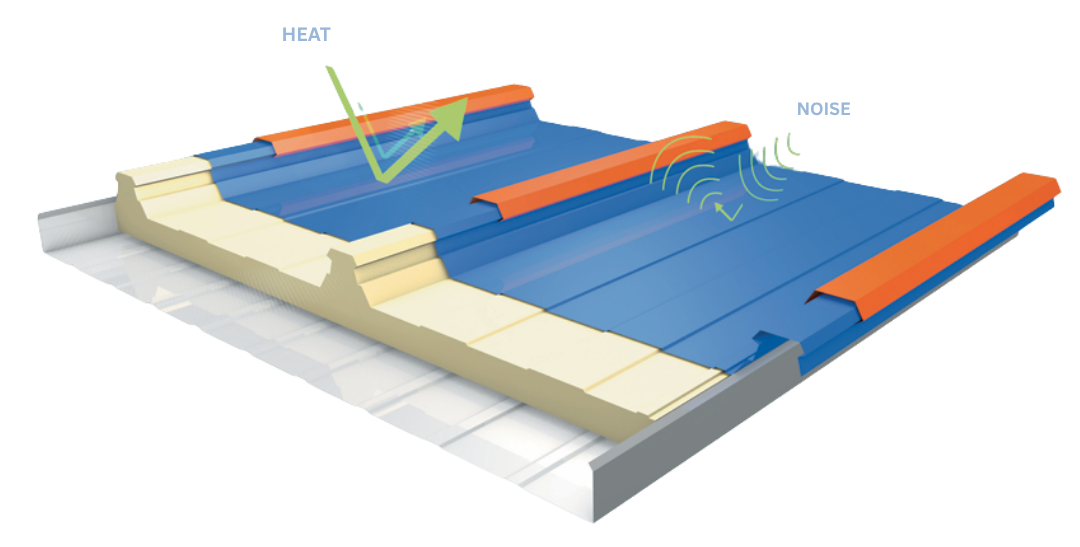
Safe
Features fire-retardant and non-combustible properties.
Reduces Heat
Lowers indoor temperatures and saves energy.
Eco-Friendly
Reduces energy consumption and greenhouse gas emissions.
Suitable for All Building Types
Factories, warehouses, commercial buildings, and public buildings.
The Excellence of PU/PIR
A comparison of polyurethane (PU) and polyisocyanurate (PIR) insulation properties with other insulation materials used for roofing applications.
| Property | PU/PIR FOAM | PE FOAM | GLASS WOOL | AIR BUBBLE |
|---|---|---|---|---|
| Insulation Sample |
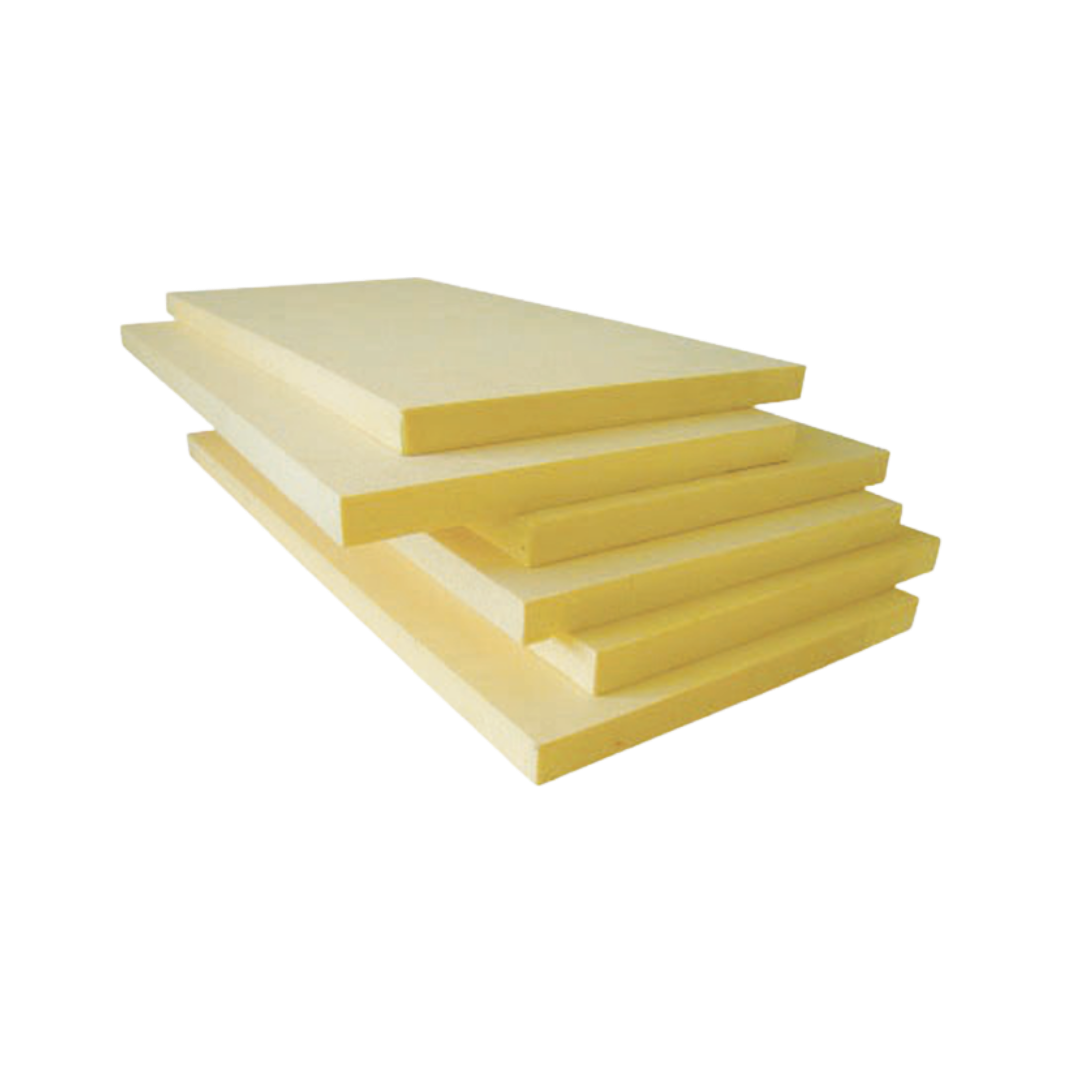 PU/PIR FOAM
|
 PE FOAM
|
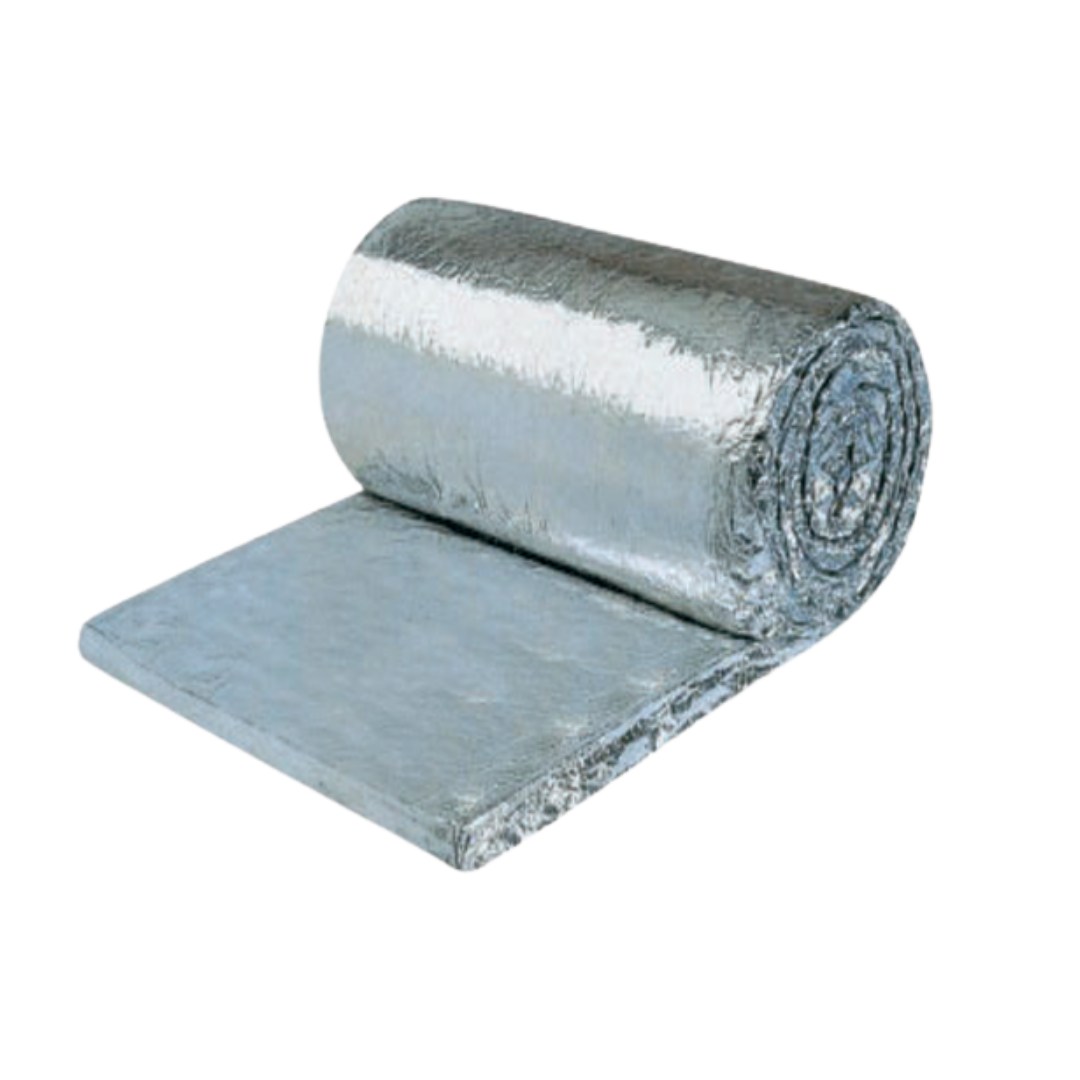 GLASS WOOL
|
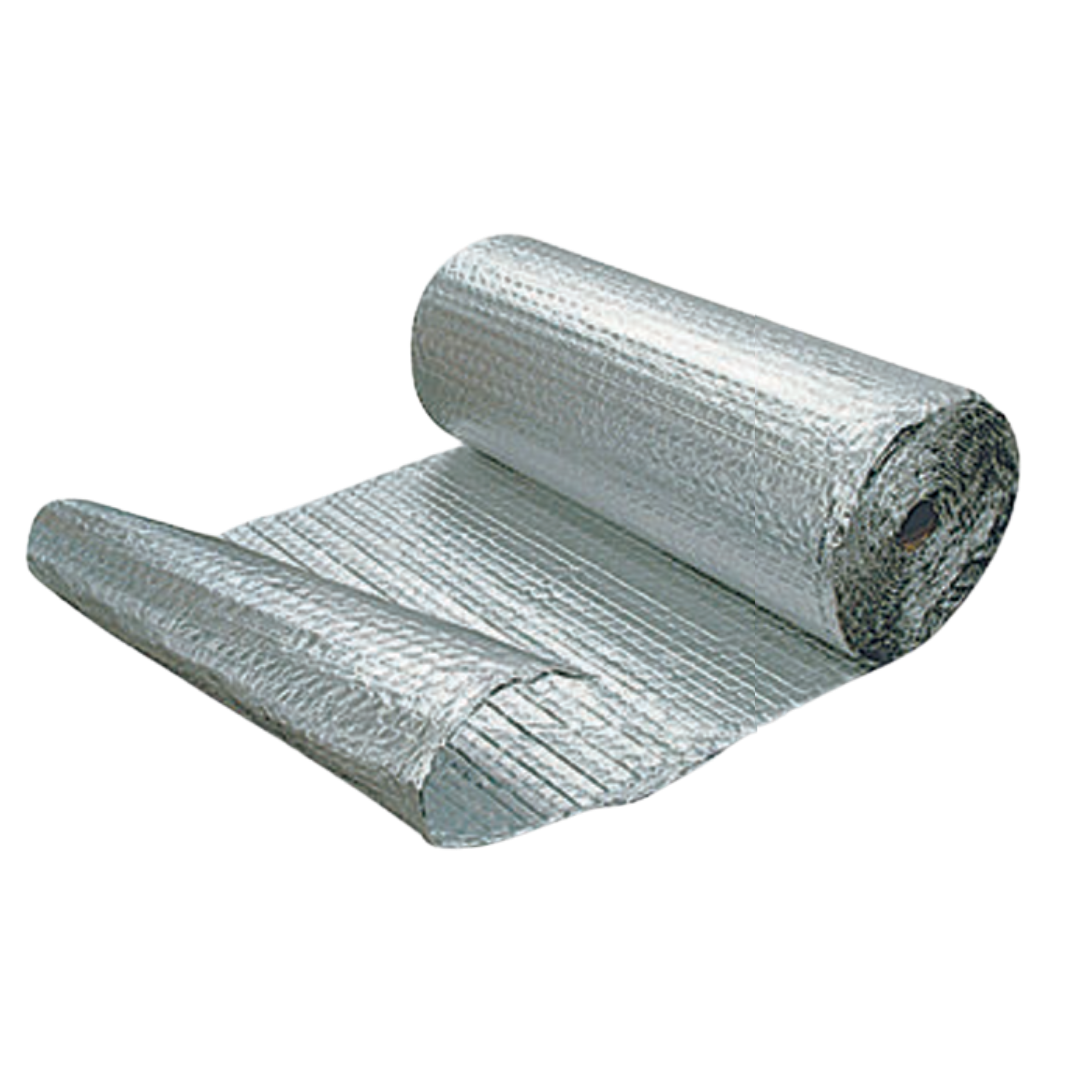
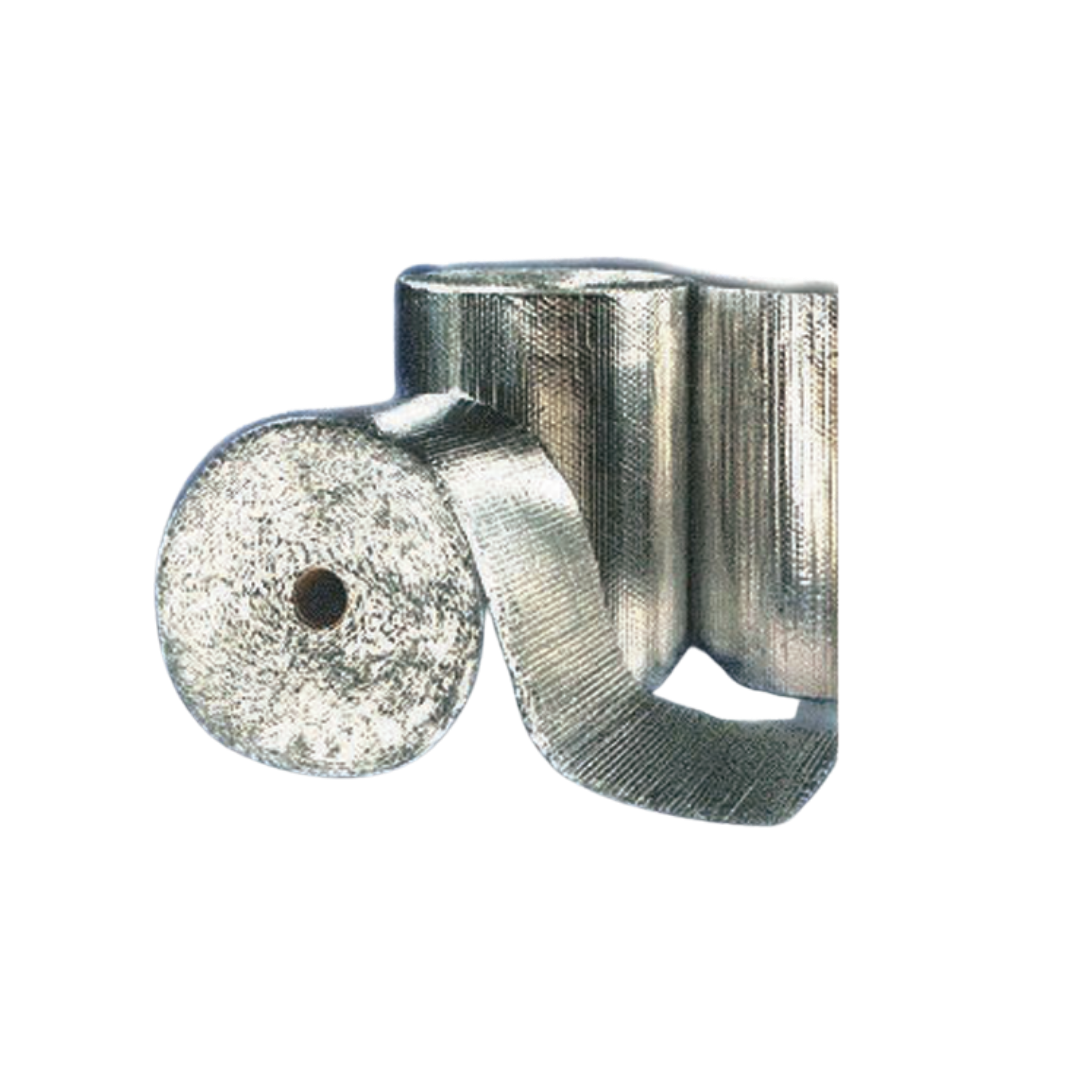 AIR BUBBLE
|
| Cell Structure | Closed-cell structure for insulation-grade material | Closed-cell | Open-cell | Open-cell |
| Density | PU 35 kg/m³, PIR 40 kg/m³ | 24 kg/m³ | 16–32 kg/m³ | 38–40 kg/m³ |
|
Thermal Conductivity
(K-Value) The lower the value, the better the insulation performance |
0.018–0.023 W/m.K | 0.030–0.037 W/m.K | 0.035–0.038 W/m.K | 0.039–0.045 W/m.K |
| Operating Temperature | -30°C to 100°C | -100°C to 80°C | -20°C to 200°C | -75°C to 250°C |
| Condensation Around the Covered Material | No condensation occurs because the insulation is bonded directly to the roofing sheet. PU/PIR also provides excellent adhesion to steel materials. | Condensation may occur due to the gap between the insulation layer and the roofing sheet. | Condensation may occur due to the gap between the insulation layer and the roofing sheet. | Condensation may occur due to the gap between the insulation layer and the roofing sheet. |
| Chemical Resistance | Resistant to acids and alkalis | Resistant to acids and alkalis | Resistant to acids and alkalis | Resistant to acids and alkalis |
| Compressive Strength | Lightweight and provides the highest strength compared with other insulation materials of the same density. | The insulation is soft, requires higher density, and is susceptible to compression. | The insulation is soft and easily compressed because it is manufactured from layered fibers. | The insulation is soft and easily compressed because air is trapped within the material. |
| Fire Performance | Combustible but does not support flame spread. PIR provides better fire resistance than PU.* | Combustible and deteriorates within a short period. | The adhesive used to bond the insulation to the roofing sheet may burn, while the insulation itself is non-combustible. | Combustible and deteriorates within a short period. |
| Sound Absorption | Good sound absorption | Moderate sound absorption | Excellent sound absorption | Moderate sound absorption |
|
Resistance to Water, Moisture,
and Air Infiltration |
Excellent resistance to water infiltration due to its closed-cell structure. It can also be used for gap filling. | Water infiltration or leakage may occur when the adhesive deteriorates within 1–3 years. | Water infiltration or leakage may occur when the adhesive deteriorates within 1–3 years, and moisture may reduce the insulation’s performance. | Water infiltration or leakage may occur when the adhesive deteriorates within 1–3 years. |
| Rust Prevention | PU/PIR foam helps protect the roofing sheet from exposure to air and moisture. | Rust may occur if the adhesive deteriorates and the insulation separates from the roofing sheet. | Rust may occur if the adhesive deteriorates and the insulation separates from the roofing sheet. | Rust may occur if the adhesive deteriorates and the insulation separates from the roofing sheet. |
| Service Life |
Long-lasting and durable, with a service life of over 30 years.
(Based on surveys conducted in European countries.) |
Service life depends on the quality of the bond between the insulation and roofing sheet, as well as operating conditions. | Service life depends on the quality of the bond between the insulation and roofing sheet, as well as operating conditions. | Service life depends on the quality of the bond between the insulation and roofing sheet, as well as operating conditions. |
| Assembly and Installation | Easy to assemble and install in a single step. | Requires at least two installation steps. | Requires at least two installation steps. | Requires at least two installation steps. |
Remark: All values are approximate. For detailed engineering information, please consult the company’s engineering or sales department before placing an order.